
Build power where the grid needs it.
SteadyWatts™ turns distributed affordable housing energy resources into a grid capacity asset—creating speed to power and new value for housing.
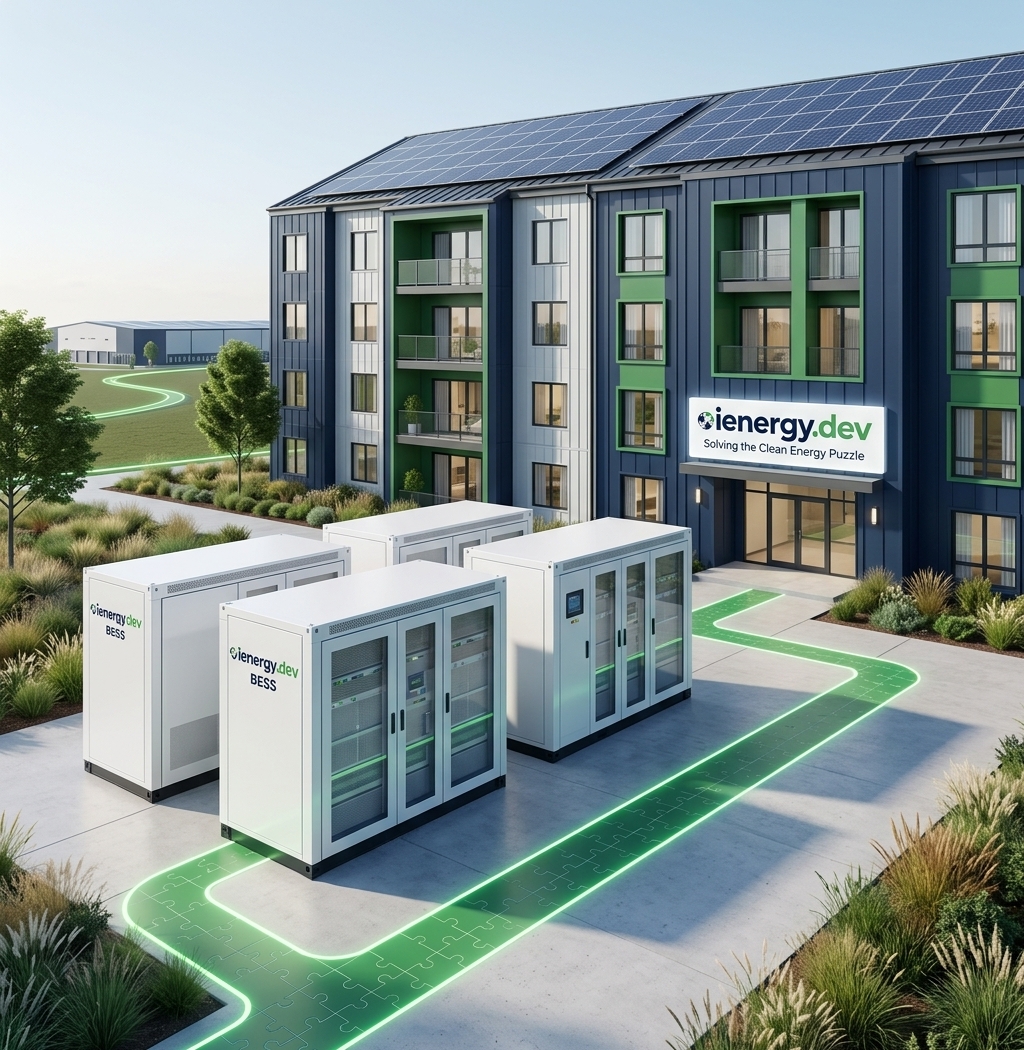
From Properties to Power Infrastructure
Affordable housing properties are located throughout the same communities where electricity demand is growing. Those properties can host solar generation, battery storage, flexible electric loads, efficiency measures, smart controls, electric vehicle charging, resilience infrastructure, and other grid-interactive equipment.
SteadyWatts™ evaluates these resources as one coordinated portfolio rather than a collection of isolated projects.
Why a Grid Capacity Asset Matters
Large power problems do not always require one large power plant. Distributed assets can be located close to load, deployed in stages, and aggregated over time. When properly designed and controlled, a portfolio of smaller resources can become a dependable grid capacity asset that supports peak management, flexibility, resilience, and local capacity needs.
For utilities and major power users, SteadyWatts™ creates another route to power. For affordable housing owners, it creates a path to retain more of the economic value generated by their properties.
The Housing–Grid–Data Center Opportunity
Data centers and other major power users need reliable capacity quickly. Communities need investment that does not make housing less affordable. Utilities need flexible resources that help manage growing loads.
SteadyWatts™ is designed to align those interests. A housing-based grid capacity asset can combine on-site savings and resilience, aggregated flexibility for the grid, a scalable capacity solution for a power buyer, contracted revenue, infrastructure investment, and measurable community benefit.
How SteadyWatts™ Works
Map the portfolio. Identify locations, loads, electrical constraints, generation potential, storage opportunities, and proximity to grid demand.
Quantify the capacity. Model the combined value of generation, storage, controls, and flexible demand.
Design the commercial structure. Align housing owners, capital providers, utilities, technology partners, and power buyers.
Aggregate the assets. Combine multiple properties into a portfolio with meaningful scale, consistency, and controllability.
Contract the value. Pursue appropriate capacity, flexibility, energy, resilience, or bilateral commercial arrangements.
Deliver the infrastructure. Coordinate financing, procurement, construction, commissioning, controls, and performance.
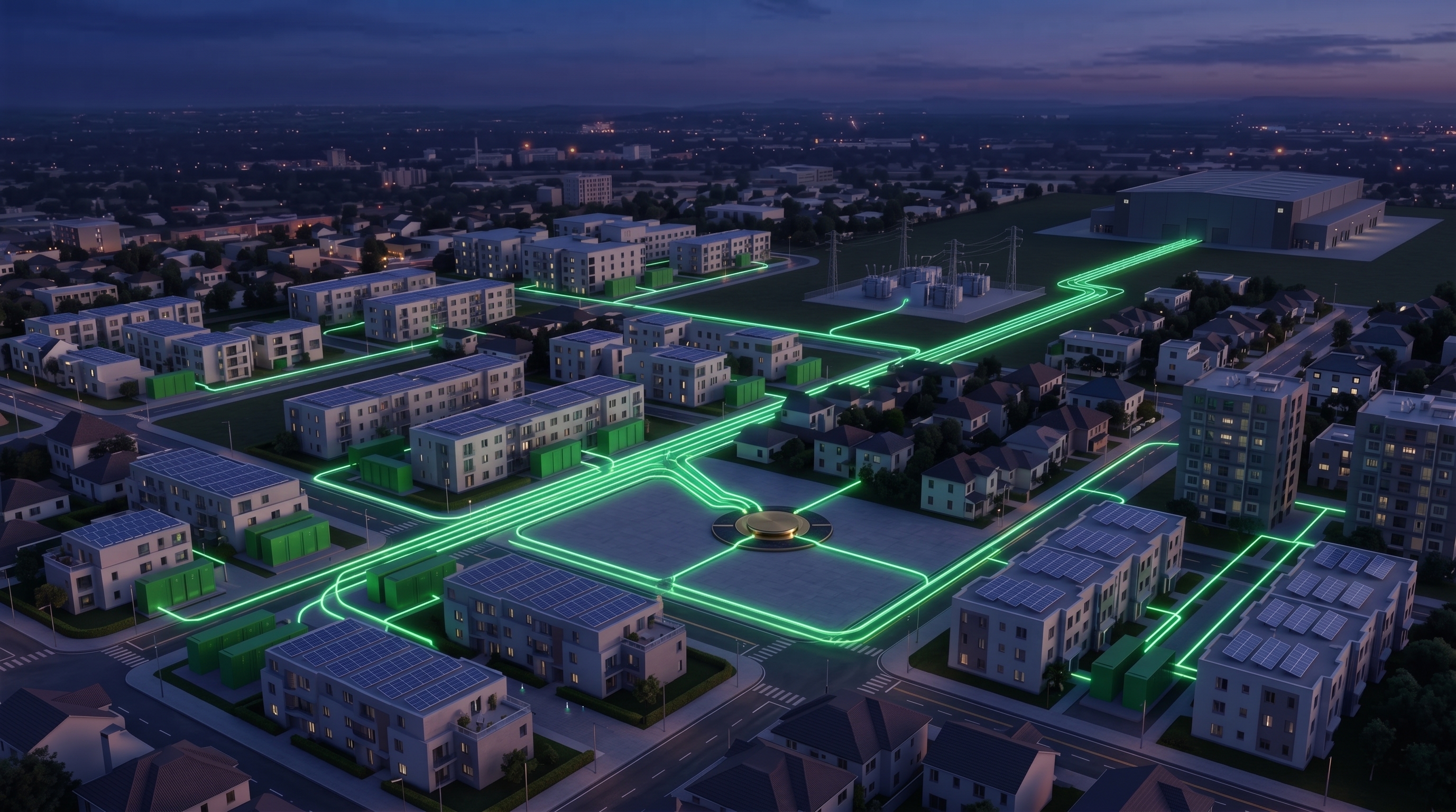
Value to Affordable Housing
SteadyWatts™ can reduce energy costs, improve resilience, create new revenue participation, strengthen project economics, attract portfolio-scale capital, lower transaction costs through standardization, improve property infrastructure, and give owners greater control over long-term energy strategy.
Value to Utilities and Power Buyers
SteadyWatts™ can offer faster-to-deploy distributed capacity, resources located near customer load, one coordinated grid capacity asset, staged deployment, measurable and controllable performance, peak and flexibility support, and a credible community-benefit pathway for new power demand.